Saving Our Sharks

It is a non-profit organization operating since 2010, supported by alliances across the governmental, social, and private sectors in Quintana Roo and Mexico.

Transforming Lives, Saving Sharks

In 2010, Saving Our Sharks was founded as an initiative by Mexican scientists, divers, and conservationists dedicated to protecting sharks and their habitats in Quintana Roo. In 2021, the Saving Our Sharks Foundation was established in the United States to expand its reach, strengthen strategic partnerships, and enhance its conservation, research, and community development programs.

Our History

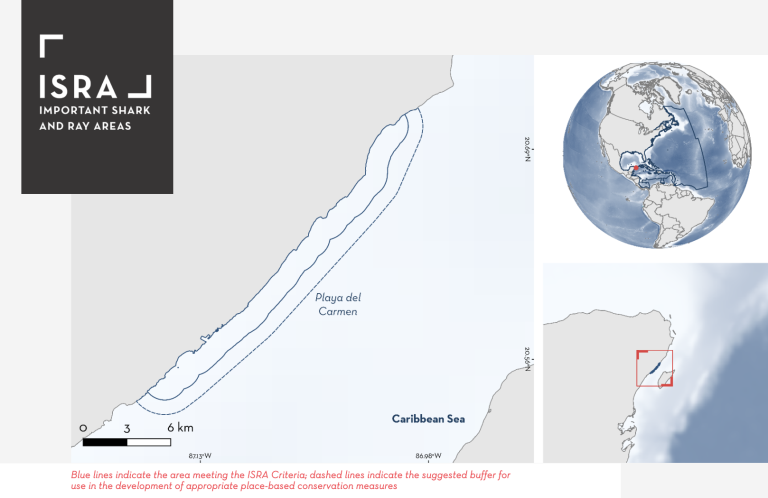
The organization has built a network of over 40 dive centers in Playa del Carmen and has provided technical support for the regulation of bull shark fishing. It also established a community fund benefiting both divers and sharks. Since 2016, it has collaborated with fishermen in Isla Mujeres on monitoring, surveillance, and the development of sustainable production alternatives. This partnership has led to an 801-ton reduction in the use of fishing gear targeting sharks, contributing to the recovery of shark populations in the region.

Our vision for 2030

Transform
0 %
Since 2023, we have worked with the main fishing cooperative to promote sustainable livelihood alternatives.

Since 2023 we have been collaborating with the leading fishing cooperative to promote sustainable economic alternatives.
By 2030, we aim to expand this transition to 100% of permit holders in the region.

Protect
0 Mill.
marine hectares

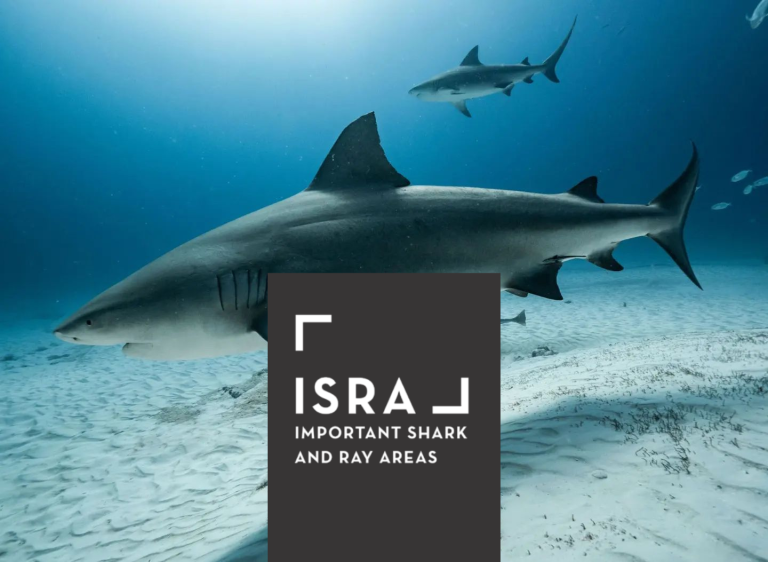
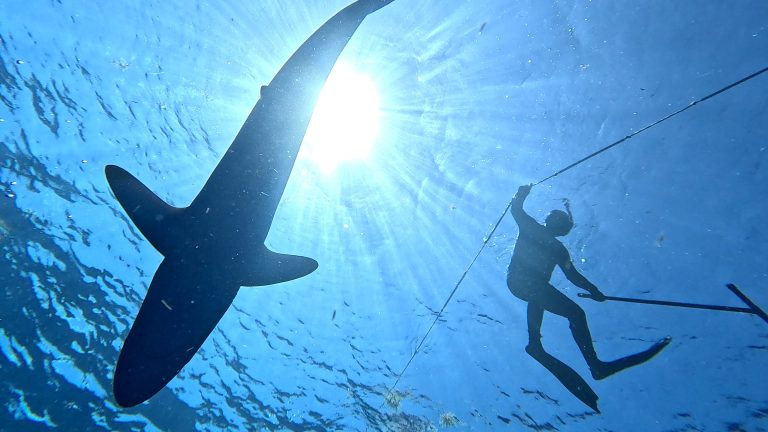
Currently, two responsible shark interaction activities operate in the region (bull shark and silky shark). By 2030, we aim to establish five conservation tourism initiatives that generate sustainable economic opportunities.

Develop
0
Sustainable tourism activities

Currently, two responsible shark interaction activities are operating (bull and silky shark).
By 2030 we aim to consolidate five conservation tourism activities that generate sustainable economic alternatives.

Strengthen
0
Cross-sector partnerships

We work with government, academia, civil society, and the private sector to advance marine conservation. By 2030, we aim to strengthen a network of 150 national and international partnerships.

Engage
0
Participants

Fishers, students, tourism operators, public officials, and community members participate in our marine conservation and training programs.

Reach
0 Mill.
People

Through environmental education programs, scientific outreach, and awareness campaigns that highlight the importance of sharks for ocean health.

Results of our 2026 initiatives

Sharks
0 +
Saved
Since the beginning of our activities.
Alliances
0 +
Intersectoral
With government, authorities, educational institutions, civil society and businesses.
Reach
0 Mill.
At national and international level
Digital media, Shark Month and SOSF events.
0 +
Fishing families
supported with training and equipment for diving, citizen science, and sustainable tourism activities
Vessel
Kab Xok
Acquired and equipped through donations. Used for sustainable tourism, monitoring, and research. Providing essential data for breeding areas and the creation of our shark sanctuary in 2026.
Shark Safari
From fishing to conservation
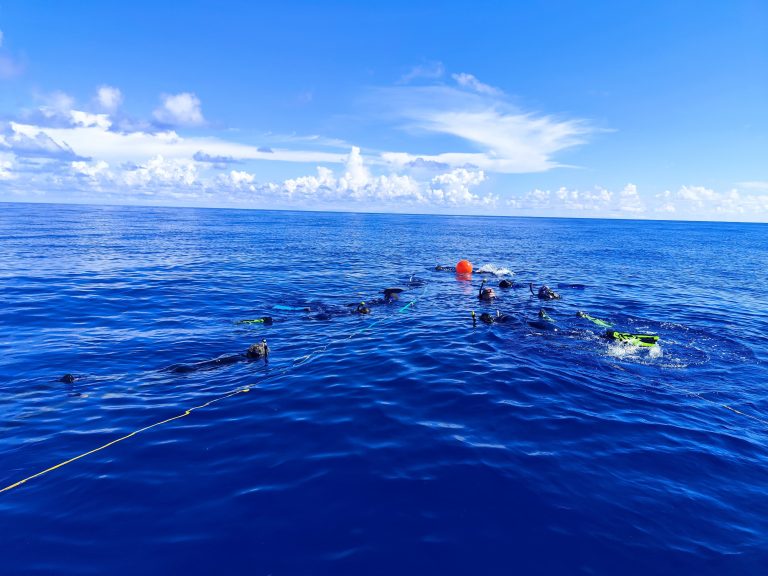
Each expedition supported the fishing communities of Isla Mujeres in their transition from fishing to shark conservation.

Evolution that transforms lives and saves sharks

The visual identity of Saving Our Sharks reflects our growth, the strengthening of partnerships, and the global reach we have achieved. It symbolizes our ongoing commitment to marine conservation.

2010

2016

2021

Isla Mujeres Shark Initiative

Since July 2022, fishermen from Isla Mujeres have reduced the use of shark fishing gear by 80%, helping to restore key populations that inhabit and migrate through the Mexican Caribbean.
This effort benefits marine ecosystems due to the essential biological role of sharks in maintaining the balance of fish populations. The initiative has both regional and international impact, as some species migrate as far as the United States and South America.
Record your sightings and help us build a database that supports the work of these Masters of the Sea.