Our Programs

Acoustic Telemetry

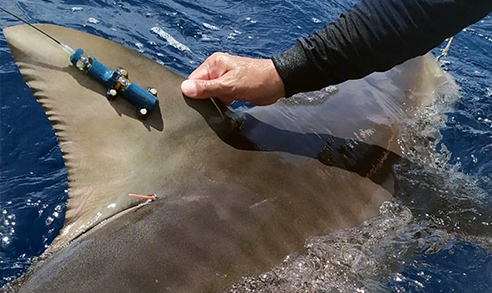
To better understand the spatial and temporal movements of the bull sharks that visit Playa del Carmen each year, we have implemented an acoustic telemetry system that allows us to track them along the entire coastline of the state.
How the Telemetry System Works

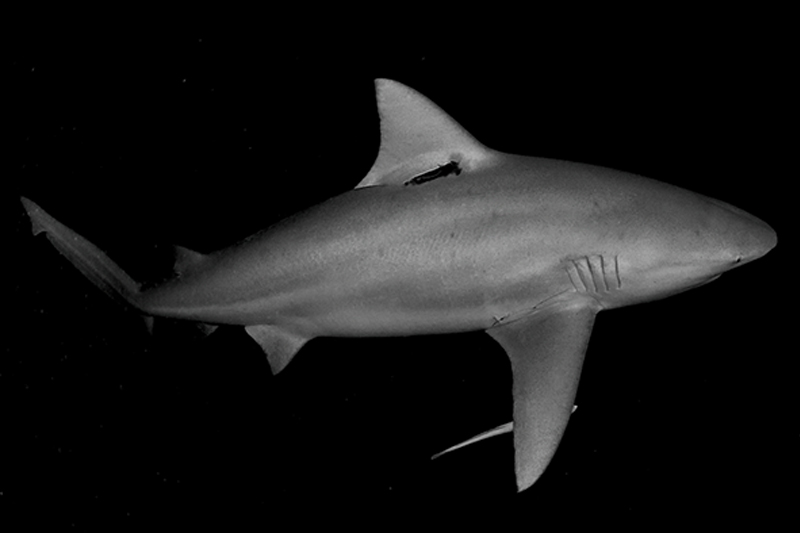
The telemetry system consists of two main components: a transmitter and a receiver. The transmitter is attached to the sharks and emits an unique ultrasonic signal, which is detected by receivers positioned along the coastline, at distances of up to 1 km.
To access the recorded data, each receiver must be periodically retrieved and downloaded. The technology we use is universal, meaning the same detection system can monitor any tagged organism worldwide—including fish, turtles, mollusks, and more—enabling the creation of large-scale, collaborative monitoring networks.

Conventional Tagging
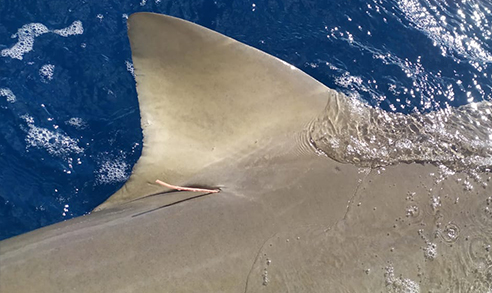
This method uses conventional “spaghetti” tags that include the organization’s contact information, allowing individual animals to be identified if recaptured. When sharks are caught alive, they can be released, and when they are caught dead, valuable information about their movement patterns can still be obtained. These recaptures are reported by fisheries via phone or email, contributing important data to our monitoring efforts.

Adopt a shark

To follow the journey of one of the sharks tagged by Saving our Sharks.

Satellite Tagging

This type of tagging enables the temporary, near real-time tracking of sharks, providing highly detailed information on their movements and behavior. In collaboration with Mote Marine Laboratory and Texas State Aquarium, Saving Our Sharks successfully tagged six individuals—including both adult and juvenile tiger sharks—yielding unprecedented movement trajectories.

#CitizenScience

Learn more about the citizen science projects taking place in Quintana Roo! Community participation is essential for the conservation and study of sharks in the region.