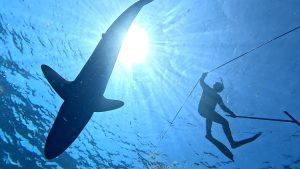
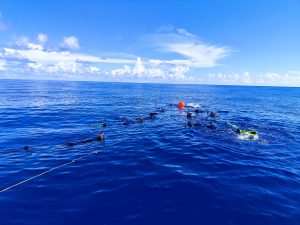
Encounter with a shark
Encountering a shark can be one of the most exciting and memorable experiences at sea. Far from being a cause for fear, these encounters offer an opportunity to understand the importance of sharks in maintaining the balance of marine ecosystems. However, it is essential to know how to act respectfully and safely, both for yourself and the animal.
A guide to best practices for a shark encounter, one of the most exciting and memorable experiences at sea – What to do during a shark encounter
Before entering the sea
- Never swim alone; Doing it together increases safety and allows for a better response to any eventuality.
- Always listen to your bodyIf you're tired, hungry, or simply not feeling well, postpone your activity. The sea will always be there.
- Before entering the water, observe the sea conditions. Take into account the weather, wind direction, and currents. These factors can change rapidly and affect your swimming ability.
- Always carry one safety buoy visible; besides helping you rest, it makes it easier for them to locate you from boats or the coast.
- If you swim in a group, designate one person to take a... photo at the beginning and end, and register their entrances and exits. These are small habits that can make a big difference in collective safety.
- Finally, respect the signs: both the buoys that delimit safe zones, such as the warning flags on the beach.
- Never enter the sea if you have consumed alcohol, drugs, or medications that may impair your reflexes or judgment.
Responsible behavior in the water
- Avoid wearing sparkly jewelry or accessories, as they may attract unwanted curiosity from sea creatures.
- When observing marine wildlife, Don't approach them or chase them.; Simply enjoy the moment and observe from a distance.
- The photographs without flash They are the best option to avoid stressing the animals or attracting their attention.
Distress signals while swimming
To know the universal signals can save lives:
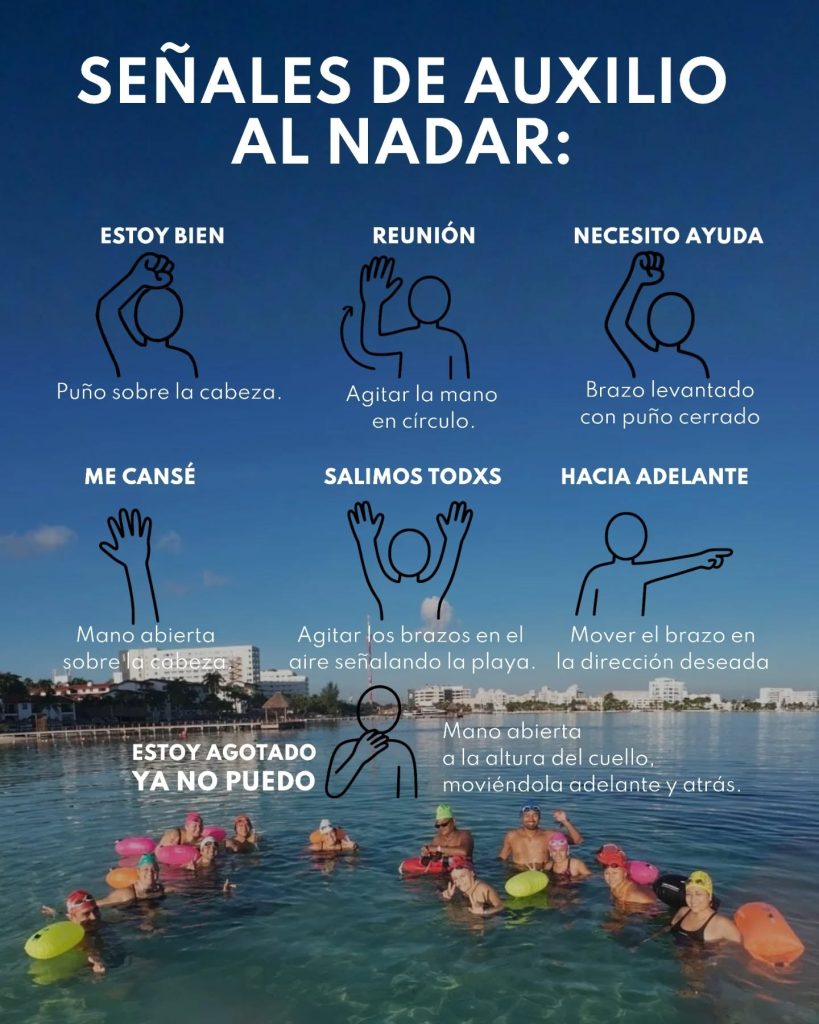
- I'm fine: fist above the head.
- I need help: raised arm with closed fist.
- I got tired: open hand above the head.
- Meeting: shake your hand in a circle.
- Forwards: move the arm in the desired direction.
- We all went out: waving arms and pointing at the beach.
- I'm exhausted / I can't anymore: open hand at neck level, moving it forwards and backwards.
In case of emergency
Always keep the numbers handy Red Cross, Public Safety, Civil defense, PROFEPA, CONANP, SEMAR and the Port Authority.
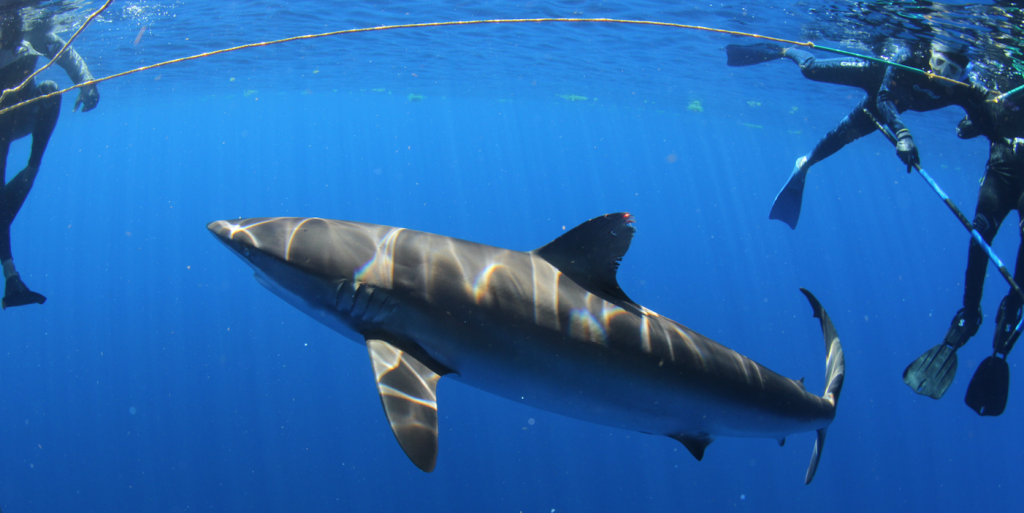
The moment of the encounter with the shark:
- If you encounter a shark near the coast, salt out of the water little by little and calmly, Without sudden movements. Respect their space; that's their home too.
- On the other hand, if you are far from the shore, Stay calm and Always look at the shark head-on.. Don't lose sight of it.
Avoid sudden movements, flailing your arms, or kicking the water; these gestures can appear aggressive or confusing to the animal. Also, don't shout or make loud noises. - Ideally, Maintain at least 10 meters of distance.
- If you find yourself in a feeding area, It swims slowly away from the school and avoids disrupting the shark's natural role of feeding on weak and sick fish, thus helping to maintain the balance of the ecosystem.
After the sighting
Your experience can contribute to conservation. Register your sighting in it Shark, Ray, and Marine Megafauna Sighting Report Form, from the National Commission of Protected Areas, CONANP.
Being an active part of conservation is a powerful way to give something back to the sea.
REGISTER YOUR SIGHTING HERE

REGISTER YOUR SIGHTING HERE

Do you want to have an encounter with a shark?
If you want to experience a controlled and safe encounter, choose regulated activities with official permits, like the Bull shark diving in Playa del Carmen or the Snorkeling with silky shark with the Kab Xok Cooperative in Isla Mujeres. These initiatives include Good Practice Manuals and safety protocols that guarantee a responsible and transformative experience.
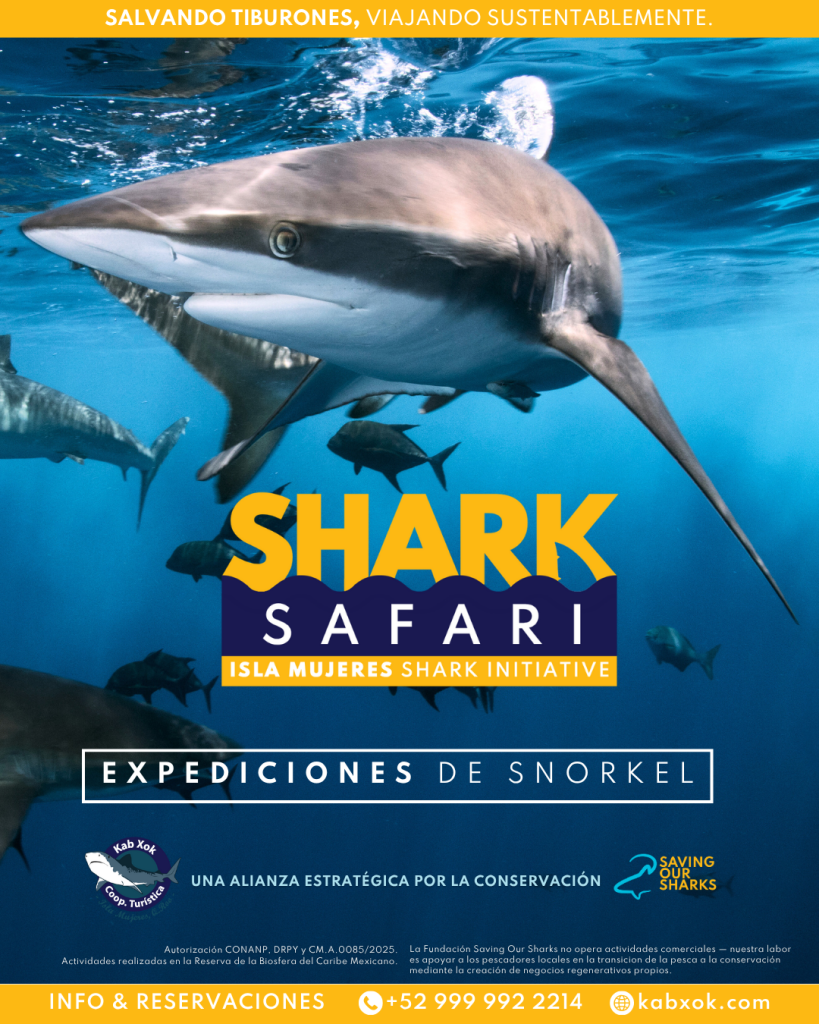
SEE MORE INFORMATION ABOUT SHARK SAFARI – SNORKELING WITH SHARKS IN ISLA MUJERES